
Some properties deserve to be restored, while others are better rebuilt from the ground up. For anyone developing property in the Algarve, this is one of the most important early decisions. At Lusaterra we have worked on both approaches, and we have found that the right choice is rarely a matter of preference alone. It depends on the condition of the structure, the planning rules and the home the location calls for.
Starting with the existing structure
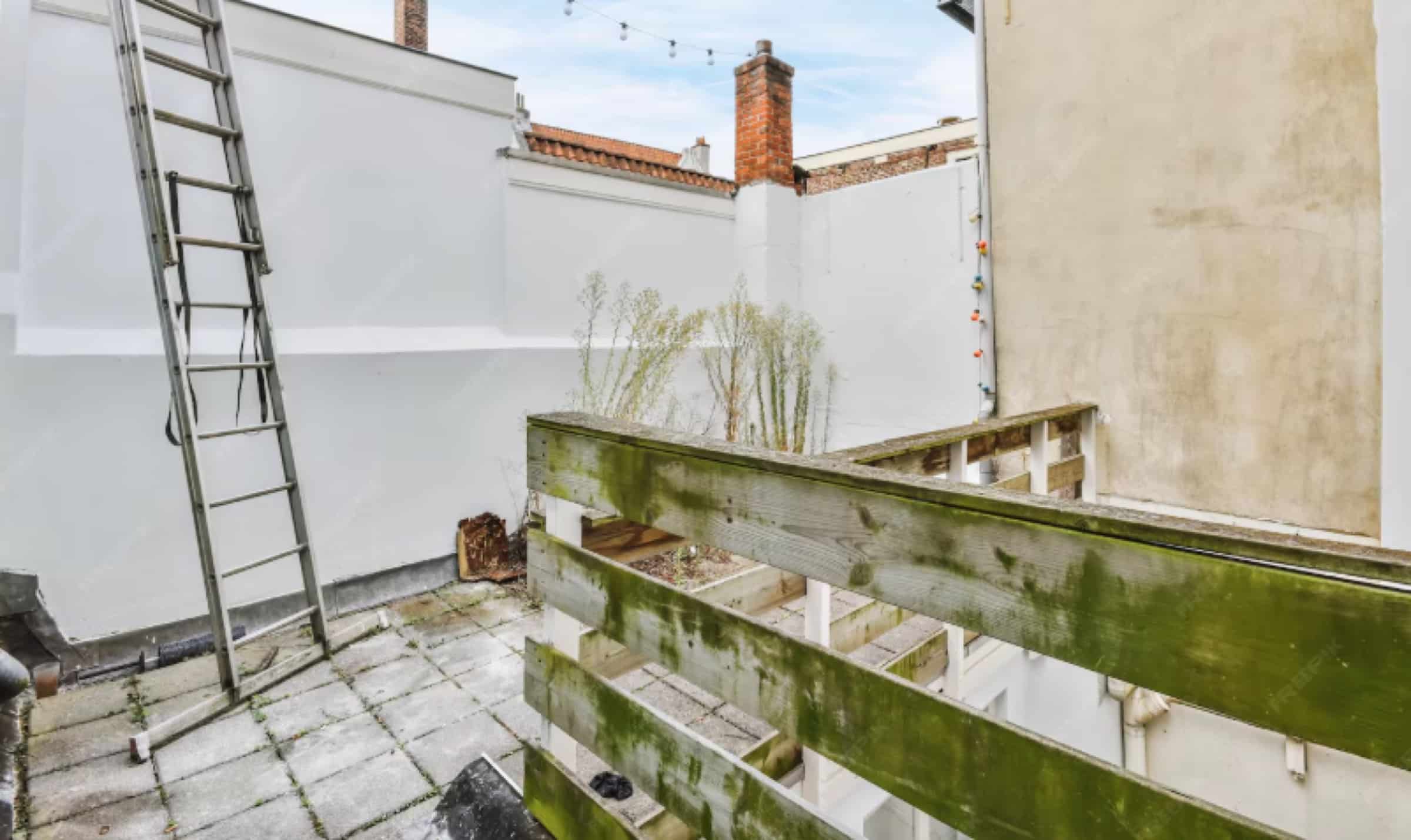
Every assessment begins with what is already there. Some buildings have a sound structure and a character worth keeping. Others have deteriorated to the point where restoration would require more compromise than it is worth. In some cases, only a ruin remains.
The planning position matters as well. Regulations determine what may be changed, extended or replaced, and they can make one option far more realistic than the other. Only when both the physical condition and the planning framework are clear can a well-founded decision be made.
The case for renovation
Renovation can preserve character and the traditional architecture of the region. White façades, terracotta roof tiles and arched windows give many Algarve homes a timeless quality that is difficult to recreate from scratch. When the structure allows it, restoring these elements keeps the soul of a house intact.
Casa Bedrock shows what this can look like. The villa near Loulé was fully renovated in 2026. Its traditional architecture was retained, with bougainvillea climbing the walls and a fountain in the courtyard, while everything from the installations to the finishes was renewed. Inside, the home now offers 260 m² of living space, a high-end designer kitchen and four bedrooms, with a 40 m² roof terrace overlooking the green hills.
The case for a new build
A new build offers more freedom in layout and makes it easier to meet current standards for insulation and energy use. It allows the design to respond fully to the site: to the light, the views and the way people want to live today.
Villa Lusaterra is an example of this approach. On the site of an old ruin, in a protected nature reserve, the villa was completely rebuilt in 2026 using the latest construction methods. Clean lines, plenty of glass and an open layout create a direct connection with the landscape. Because it was rebuilt from the ground up, it meets current standards for insulation and energy efficiency.
Weighing the options
In practice, we consider a number of questions before choosing a direction:
- Is the existing structure sound enough to restore with confidence?
- What do the planning rules allow for this particular plot?
- Does the existing building have architectural character worth preserving?
- Which layout and level of comfort does the location call for?
- How can the home reach a high standard of energy efficiency?
The answers often point clearly in one direction. Sometimes they reveal that both options are possible, and the choice comes down to the kind of home the location deserves.
The same standard of completion
Whichever route is chosen, the result should feel complete: new installations, high-quality finishes and a home that is ready to live in. Both Casa Bedrock and Villa Lusaterra have solar panels and energy label A, and both are delivered fully furnished and move-in ready. The approach differs, but the standard does not.
You can see both projects, along with our other developments, in our portfolio. And if you own a property or plot in the Algarve that might be suitable for renovation or rebuilding, we would be glad to hear from you. Find out how to offer your land to Lusaterra.